

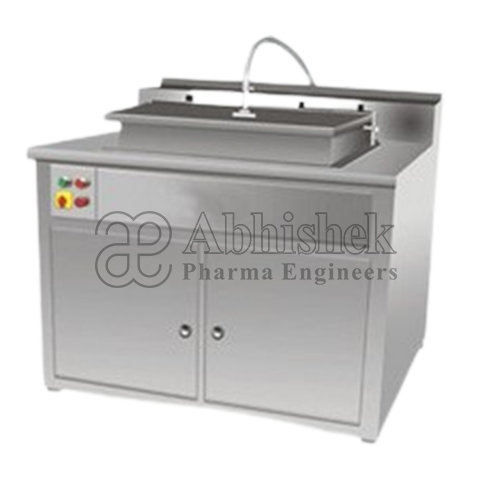
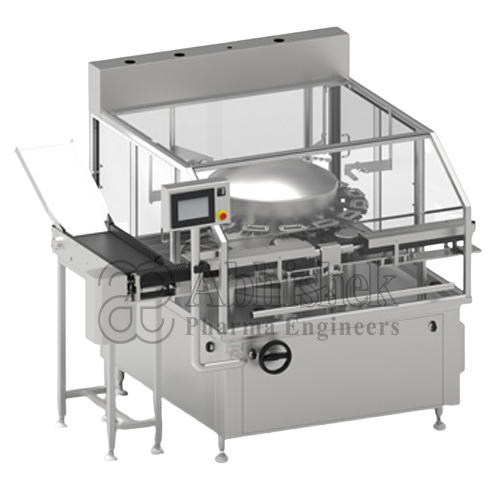
Understanding the Ampoule Washing Machine
Ensuring absolute sterility is the foundation of injectable medicine manufacturing. A highly specialized piece of equipment known as an ampoule washing machine is utilized to thoroughly cleanse delicate glass ampoules before they are sterilized and filled. Removing microscopic glass shards, dust, and contaminants from these containers is a critical regulatory requirement to guarantee patient safety. Operating from the thriving industrial hub of Ahmedabad, Gujarat, our company is a premier ampoule washing machine manufacturer. The pharmaceutical machinery produced in India is globally respected for its robust engineering, and our state-of-the-art pharmaceutical cleaning equipment ensures your production line remains strictly compliant with international hygiene standards.
As a dedicated manufacturer, we design these machines to handle the delicate nature of glass while providing a powerful cleaning action. The machine works by using various washing media, such as water and compressed air, to scrub both the inside and the outside of the ampoules. This process is fully automated, which means it can clean thousands of units quickly without any human contact, reducing the chance of accidental contamination.
Importance of Ampoule Washing Machine
In pharmaceutical production, cleanliness is not just about appearance; it is a legal and safety requirement. Washing ampoules before filling is essential for several reasons
- Removal of Glass Particles: During the manufacturing or transport of empty glass ampoules, tiny glass splinters can sometimes break off inside. The washing machine flushes these out to prevent them from mixing with the medicine.
- Dust and Fiber Control: Even in a clean environment, microscopic dust or fibers can enter the containers. High-pressure washing ensures these are removed.
- Contamination Prevention: Washing removes chemical residues or microorganisms that might be present on the glass surface.
- Sterilization Preparation: A clean ampoule is much easier to sterilize in the next stage of production, as there is no dirt left to block the heat or chemicals used to kill germs.
How the Ampoule Washing Machine Works
The cleaning process within these automated systems is meticulously sequenced to eliminate all traces of contamination.
Infeed and Loading: Empty glass ampoules are gently fed onto a mesh conveyor or rotary dial, where they are precisely spaced and gripped to prevent collisions.
Inversion: Mechanical arms gently invert the containers, allowing gravity to assist in draining out water and dislodged particles.
Internal Washing Cycles: Precision needles enter the inverted ampoules. A series of high-pressure washes are executed, typically involving recycled water, purified water, and finally, highly sterile Water for Injection.
External Washing: While the internal surfaces are being scrubbed, stationary nozzles spray the exterior of the glass to remove ambient dust and handling marks.
Air Purging and Discharge: Sterile compressed air is blasted inside to remove residual moisture. Finally, the ampoules are reverted to an upright position and discharged onto a conveyor leading directly to the sterilization tunnel.
Technical Specifications
| Feature | Rotary Machine | Multijet Machine |
| Washing Stages | 6 to 8 stages | 6 stages (sequential) |
| Jet Configuration | Moving needles (enters neck) | Stationary needle plate |
| Internal Cleaning | High-pressure needle spray | Multi-needle jetting |
| External Cleaning | Side spray nozzles | Overhead spray nozzles |
| Output Capacity | 6,000 to 14,000 per hour | Up to 10,000 per hour (batch) |
| Water Consumption | 300 to 500 Liters/hr | Variable based on tray size |
| Air Consumption | 15 to 25 CFM | 20 to 30 CFM |
| Ampoule Size Range | 1ml to 20ml | 1ml to 25ml |
| Construction Material | Stainless Steel 316L (Contact) | Stainless Steel 316L (Contact) |
| Automation Level | Fully Automatic | Semi-Automatic / Batch |
Applications
Our Ampoule washing machines are used across various sectors of the healthcare industry:
- Pharmaceutical Injectables: Cleaning containers for life-saving medicines and vaccines.
- Sterile Liquid Production: Used for any liquid drug that must be 100% free of bacteria.
- Veterinary Medicine: Preparing ampoules for animal health products.
- Biotech Units: Used in high-tech labs for biological and research-based liquids.
Compliance and Operational Standards
We ensure that every machine we build follows strict industry rules:
- GMP Compliance: Our machines are made with smooth surfaces and high-grade stainless steel to prevent any bacterial growth.
- Clean Room Suitability: The design prevents oil or grease from leaking into the washing area, making it safe for sterile rooms.
- Operational Safety: Every machine includes safety sensors, such as “No Ampoule – No Wash” systems and emergency stop buttons to protect the operator and the equipment.
FAQs for Ampoule Washing Machine
What is an Ampoule Washing Machine?
An Ampoule Washing Machine is a pharmaceutical machine used to clean glass ampoules before filling and sealing. It removes dust, particles, and contaminants using purified water and air washing cycles to maintain hygiene standards.
Why is ampoule washing important in pharma production?
Ampoule washing is important because injectable medicines require sterile packaging. Clean ampoules help prevent contamination and ensure product safety, quality, and compliance with pharma standards.
How does an Automatic Ampoule Washing Machine work?
The machine usually uses a rotary gripper system that holds ampoules by the neck, inverts them, and performs multiple internal and external washing cycles using water and air.
What sizes of ampoules can be washed in the machine?
Most ampoule washing machines are designed to handle different ampoule sizes such as 1 ml, 2 ml, 5 ml, 10 ml, and other standard pharma containers depending on the model.
Is the Ampoule Washing Machine suitable for high-speed production?
Toggle content goes here, click edit button to change this Yes, automatic rotary ampoule washing machines are built for continuous production and can wash large quantities of ampoules per hour, making them suitable for pharmaceutical manufacturing lines..
What materials are used in the machine construction?
High-quality stainless steel such as SS 304 and SS 316 is commonly used in ampoule washing machines for corrosion resistance, hygiene, and long service life.
Can the machine be integrated with filling and sealing lines?
Yes, ampoule washing machines can be connected with drying tunnels, filling machines, and sealing machines to create a complete automatic ampoule production line.