

The Final Step in Product Safety
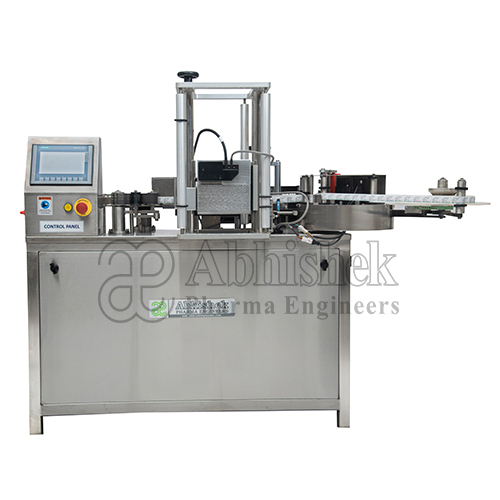
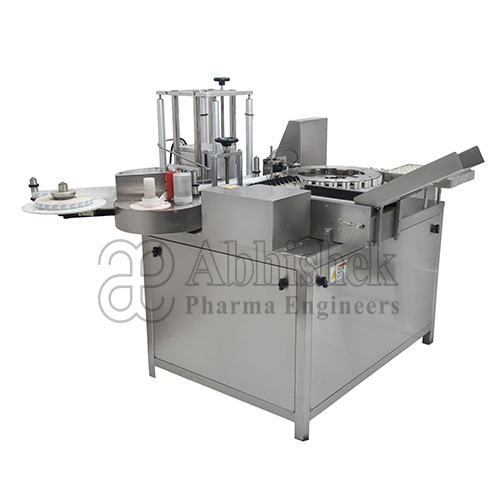
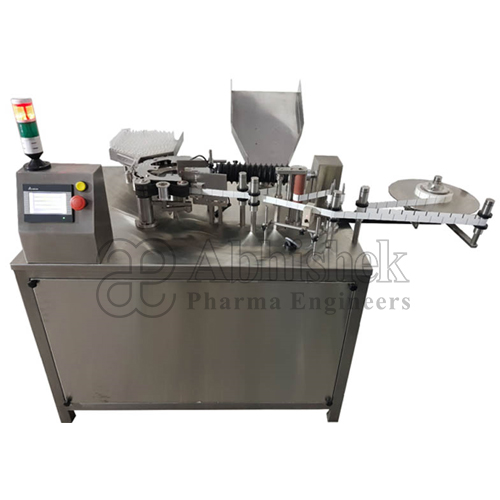
An Ampoule Sticker Labeling Machine is a piece of equipment that puts self-adhesive labels onto small glass ampoules. After the medicine is filled and the glass is sealed, the product looks like a plain glass tube. Without a label, it is impossible to know what medicine is inside, how strong it is, or when it expires. This machine ensures that every single unit gets its “identity card” stuck on perfectly before it leaves the factory.
As a dedicated Ampoule Sticker Labeling Machine manufacturer, we know that labeling is about more than just sticking paper to glass. In the pharmaceutical industry, labels are the main tool for traceability. If there is ever a problem with a batch of medicine, the label tells the hospital exactly where and when it was made. Because ampoules are tiny and round, the machine must be very precise to make sure the label doesn’t overlap or sit crooked, which could make the fine print impossible to read.
Finding a reliable Ampoule Sticker Labeling Machine supplier in India is a key step for any pharmaceutical company. A good machine must handle the delicate glass gently so nothing breaks, but also firmly enough to get rid of any air bubbles or wrinkles. If a label is wrinkled or peeling off, it can cause errors in hospitals. Our machines are built to provide a clean, professional finish that meets the strict hygiene and safety rules of modern medicine.
How the Labeling Process Works
If you were watching the machine for the first time, here is the logical flow of how it thinks and moves:
- Feeding and Spacing: Ampoules come from a tray or a previous machine. A “scroll” or a “spacer” creates a specific gap between each one. If they are too close together, the labels will get tangled.
- Detection: A photo-sensor (an electronic eye) “sees” the ampoule coming. This sends a signal to the label dispenser to get ready.
- Label Separation: The label roll moves over a sharp “peeling plate.” Because the backing paper is bent at a sharp angle but the label is stiffer, the label pops off the paper and waits for the ampoule.
- Application: As the ampoule passes by, the sticky side of the label touches the glass.
- Wrapping and Pressing: The ampoule enters a “pressing station” where it is rolled between a moving belt and a rubber pad. This wraps the label around the curve and squeezes out any air.
- Collection and Sorting: The finished ampoules move to a collection tray. If the machine has a “rejection system,” it will use a sensor to check if the label is missing or if the barcode is unreadable, then push that faulty unit into a separate bin.
Model Selection Guide: Which is Right for You?
Choosing a model depends on how your factory operates:
- Choose the ASL-120 if: You run small batches of different medicines. If you have to change label rolls frequently and only work one shift a day, this model is cost-effective and easy to manage.
- Choose the ASL-300 if: You have a steady production line and need a balance between speed and ease of use. If your factory runs two shifts and you need to label 50,000 to 100,000 ampoules a day, this is the most logical choice.
- Choose the ASL-500 if: You are a major supplier with high-volume contracts. If your line is connected to a high-speed filling machine and you cannot afford any slowdowns, the ASL-500 is the only model that can keep up with the pace.
Types of Ampoule Sticker Labeling Machines
| Parameter | ASL-120 | ASL-300 | ASL-500 |
| Output Speed | Up to 120 per minute | Up to 300 per minute | Up to 500 per minute |
| Ampoule Handling | Small to Medium (1ml-20ml) | Full Range (1ml-30ml) | High-Speed (1ml-10ml focus) |
| Label Accuracy | Very Reliable | High Precision | Ultra-High Precision |
| Speed Control | Simple VFD Knob | HMI (Touch Screen) | Advanced PLC / HMI |
| Label Roll Support | Standard 300mm Roll | Large 400mm Roll | Continuous Jumbo Roll Support |
| Spacing Method | Feed Screw / Star Wheel | Advanced Scroll | High-Speed Rotary Star |
| Sensor Type | Product & Gap Sensors | Intelligent Fiber-Optic | High-Frequency Digital |
| Rejection System | Optional Manual Check | Automatic (Air Blast) | Full Batch Sorting System |
| Maintenance | Very Low | Low | Regular Technical Check |
| Changeover Time | 15–20 Minutes | 10–15 Minutes | 5–10 Minutes |
Label Materials and Printing
The Ampoule Sticker Labeling Machine can handle many types of materials. Most labels are made of paper or plastic (film). Plastic labels are great for ampoules because they don’t tear easily and can handle cold temperatures in a fridge.
The machine’s pressing action ensures the adhesive (the glue) makes full contact with the glass. Since glass is a smooth surface, the label needs to be pressed firmly to avoid “flagging” (when the edges pop up). Our machines also have space to mount a small printer. This printer can add the Batch Number, Expiry Date, and a Barcode directly onto the label just seconds before it is stuck onto the ampoule.
Quality Control and GMP Discipline
In a pharmaceutical clean room, everything must be orderly and clean. This machine follows GMP (Good Manufacturing Practice) rules by using Stainless Steel (SS 304 or 316) for all its parts. This prevents rust and makes the machine easy to wipe down.
To ensure quality, the machine prevents:
- Wrinkles: By using a “tension control” system that keeps the label roll tight.
- Smudging: By ensuring the ink on the label is dry before it hits the pressing belt.
- Missing Labels: By using a “No Product – No Label” logic, which saves money and prevents sticky messes on the conveyor belt.