
How to Choose the Right Bottle Filling Machine for Your Production Line
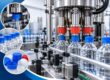
Choosing the right Bottle filling machine can make a major difference in the speed, accuracy, hygiene, and overall cost of a packaging operation. Whether a company fills medicines, edible oils, beverages, cosmetics, chemicals, syrups, or personal care products, the filling stage directly affects production quality. A well-designed machine reduces product waste, maintains consistent filling levels, and helps businesses handle larger production volumes without adding excessive manual work.
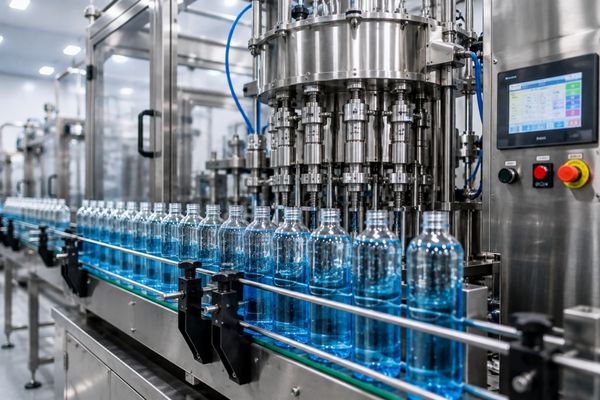
Today, manufacturers are moving toward automation because customers expect faster delivery, better packaging, and consistent product quality. Modern bottle filling machines combine accurate dosing systems, stainless steel construction, PLC controls, sensors, and easy product changeovers. Selecting the right machine is therefore not simply about buying equipment. It is about building a reliable packaging process for long-term production.
Why a Bottle Filling Machine Matters
A professional Bottle filling machine manufacturer understands that different liquids behave differently during filling. Water, oil, shampoo, cough syrup, lotion, chemicals, and pharmaceutical liquids cannot always be handled using the same filling method.
For example, a thin liquid may require a different filling system compared with a thick or foaming product. The bottle shape, filling volume, production speed, hygiene requirements, and container material also influence machine design.
An experienced manufacturer studies these factors before recommending suitable equipment. This helps reduce common problems such as:
- Incorrect filling quantity
- Product overflow
- Excessive foaming
- Bottle movement during filling
- Product leakage
- Slow production
- Frequent machine adjustments
- High material wastage
Selecting equipment according to the actual application creates a smoother and more reliable production line.
How Bottle Filling Machines Improve Production Efficiency
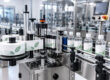
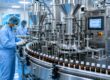
Manual filling may work for very small businesses, but increasing production usually requires automation. An automatic bottle filling machine can fill multiple containers continuously with controlled dosing.
Machines can also be integrated with bottle washing, capping, sealing, inspection, and labeling systems.
A typical packaging line may follow this process:
Bottle Feeding → Bottle Cleaning → Liquid Filling → Capping → Sealing → Labeling → Inspection → Packing
Automation reduces dependency on manual handling and improves consistency throughout every production shift.
For companies producing thousands of bottles daily, even a small improvement in filling speed can create significant productivity gains.
Types of Bottle Filling Machines Used in Different Industries
A reliable Bottle filling machine manufacturer may provide different technologies depending on the liquid characteristics and production requirements.
Volumetric Filling Machine
Volumetric filling machines dispense a measured quantity of liquid into each bottle. They are commonly used where consistent fill volume is important.
Applications can include:
- Pharmaceutical liquids
- Syrups
- Oils
- Chemicals
- Food products
Piston Filling Machine
Piston fillers are suitable for medium and high-viscosity products. The piston draws a measured quantity of product and pushes it into the container.
Typical products include:
- Shampoo
- Lotion
- Cream
- Sauce
- Honey
- Thick oils
Gravity Filling Machine
Gravity systems use the natural flow of liquid and are commonly used for free-flowing products.
They may handle:
- Water
- Cleaning liquids
- Thin chemicals
- Certain beverages
Servo Controlled Filling Machine
Servo technology provides better control over filling quantity, movement, and speed. It is commonly selected where flexibility and precision are important.
These machines can be particularly useful for facilities handling different bottle sizes or frequent product changes.
Important Features to Check Before Buying
Buying a filling machine only by comparing price can lead to problems later. Production teams should evaluate the complete machine design.
Important features include:
| Feature | Why It Matters |
|---|---|
| Filling accuracy | Reduces product giveaway and underfilling |
| Filling speed | Helps achieve daily production targets |
| Stainless steel contact parts | Supports hygiene and easier cleaning |
| PLC control | Makes machine operation easier |
| HMI display | Helps operators change settings quickly |
| No bottle no fill system | Prevents unnecessary product wastage |
| Adjustable filling volume | Supports multiple packaging sizes |
| Safety guards | Improves operator protection |
| Easy cleaning design | Reduces product changeover time |
| Upgrade capability | Supports future production expansion |
Bottle Filling Machines for Pharmaceutical Production
Pharmaceutical packaging requires high levels of hygiene, filling consistency, and process control.
Bottle filling equipment may be used for products such as:
- Cough syrups
- Oral liquids
- Tonics
- Veterinary liquids
- Nutritional supplements
- Pharmaceutical solutions
Machine surfaces and product-contact components should be designed for easy cleaning. Filling systems should also minimize contamination risks and unnecessary product exposure.
For regulated production environments, machine documentation, material selection, operational controls, and validation support can also become important purchasing factors.
Bottle Filling Machines for Food and Beverage Applications
Food and beverage manufacturers require filling systems capable of maintaining production speed while protecting product quality.
Common applications include:
- Edible oil
- Juice
- Flavoured drinks
- Sauces
- Liquid concentrates
- Syrups
- Dairy based liquids
The correct filling technology depends heavily on viscosity, temperature, foaming characteristics, and container design.
Food manufacturers should also consider how easily the machine can be cleaned between batches.
Supporting Cosmetics and Personal Care Production
Cosmetic manufacturers often handle products with widely different viscosities.
A production unit may need to fill:
- Shampoo
- Conditioner
- Hair oil
- Lotion
- Liquid soap
- Hand wash
- Skin care liquids
A flexible filling machine helps manufacturers handle different container sizes without investing in separate equipment for every product.
This flexibility is especially valuable for businesses launching multiple product variants.
Choosing a Bottle Filling Machine Manufacturer in India
India has become an important manufacturing location for pharmaceutical, food, cosmetic, chemical, and packaging machinery.
Businesses searching for a Bottle filling machine manufacturer in India should evaluate more than geographical location. Machine quality, engineering capability, customization, installation support, spare parts, and after-sales service should all be considered.
For buyers in industrial regions such as Ahmedabad, Gujarat, Mumbai, Pune, Hyderabad, Delhi, Bengaluru, and other manufacturing hubs, access to technical support can reduce machine downtime.
International buyers should additionally check export packaging, electrical standards, machine documentation, installation assistance, and spare parts availability.
Questions to Ask Before Ordering a Filling Machine
Before requesting a quotation, buyers should prepare basic production information.
Share details such as:
- Product being filled
- Product viscosity
- Bottle material
- Bottle shape
- Minimum bottle size
- Maximum bottle size
- Required filling volume
- Expected bottles per minute
- Number of products
- Required automation level
- Existing packaging equipment
- Available production space
Providing accurate information allows the machine manufacturer to recommend an appropriate configuration rather than offering a standard machine that may not suit the application.
Automation Can Reduce Packaging Costs
Automation requires an initial investment, but it can reduce operating costs over time.
The major benefits include:
- Lower product wastage
- Better filling consistency
- Reduced manual handling
- Higher production capacity
- Faster order completion
- Better hygiene
- Easier quality control
- Consistent packaging appearance
For growing businesses, automated filling equipment can also provide additional production capacity without requiring major increases in manpower.
Future Ready Bottle Filling Technology
Bottle filling technology continues to move toward smarter controls, better sensors, servo systems, digital production monitoring, and integrated packaging lines.
Manufacturers increasingly want machines that can handle several bottle formats while providing quick changeovers. Production data, error alerts, recipe storage, and operator-friendly interfaces are also becoming more important.
Choosing equipment with future expansion in mind can help a business avoid replacing the complete filling system as production grows.
Conclusion
Selecting the right Bottle filling machine manufacturer is an important decision for any company planning to improve packaging speed, filling accuracy, hygiene, and production capacity. The ideal machine should match the liquid characteristics, bottle size, output requirement, and future expansion plans of the business.
Instead of focusing only on machine price, buyers should compare filling technology, construction quality, automation features, maintenance requirements, technical support, and long-term operating costs. A properly selected bottle filling machine can become a dependable part of the production line and support consistent packaging for many years.
Frequently Asked Questions
A bottle filling machine is packaging equipment designed to dispense a controlled quantity of liquid, semi-liquid, or viscous product into bottles automatically or semi-automatically.
Check the manufacturer’s experience, machine construction, filling technology, customization options, production capacity, technical support, spare parts availability, and after-sales service.
Piston filling and servo-controlled filling machines are commonly used for thicker products such as shampoo, lotion, creams, sauces, and certain oils.
Yes. Many modern filling machines can handle multiple bottle sizes by adjusting guides, filling volumes, conveyor settings, and machine parameters.
Bottle filling machines are widely used in pharmaceutical, food, beverage, cosmetic, chemical, personal care, lubricant, and household product industries.
An automatic bottle filling machine continuously receives bottles through a conveyor, positions them under filling nozzles, fills them according to programmed settings, and transfers them to the next packaging stage.
Accurate dosing systems help control the amount filled into each bottle. This reduces overfilling, spills, inconsistent quantities, and unnecessary product loss.
Manufacturers generally require product type, viscosity, bottle sizes, filling volume, required production speed, automation level, bottle samples, and information about other packaging machines in the production line.
Yes. Automatic filling machines can be integrated with bottle washing, capping, induction sealing, labeling, inspection, and packaging equipment to create a complete production line.
Reliable after-sales support helps with installation, operator training, troubleshooting, maintenance, spare parts, and future machine upgrades, which can reduce unexpected production downtime.